

March 4, 2026
We use cookies to make your experience better. Learn more
Education Authority & NHS Approved Supplier - View our Frameworks
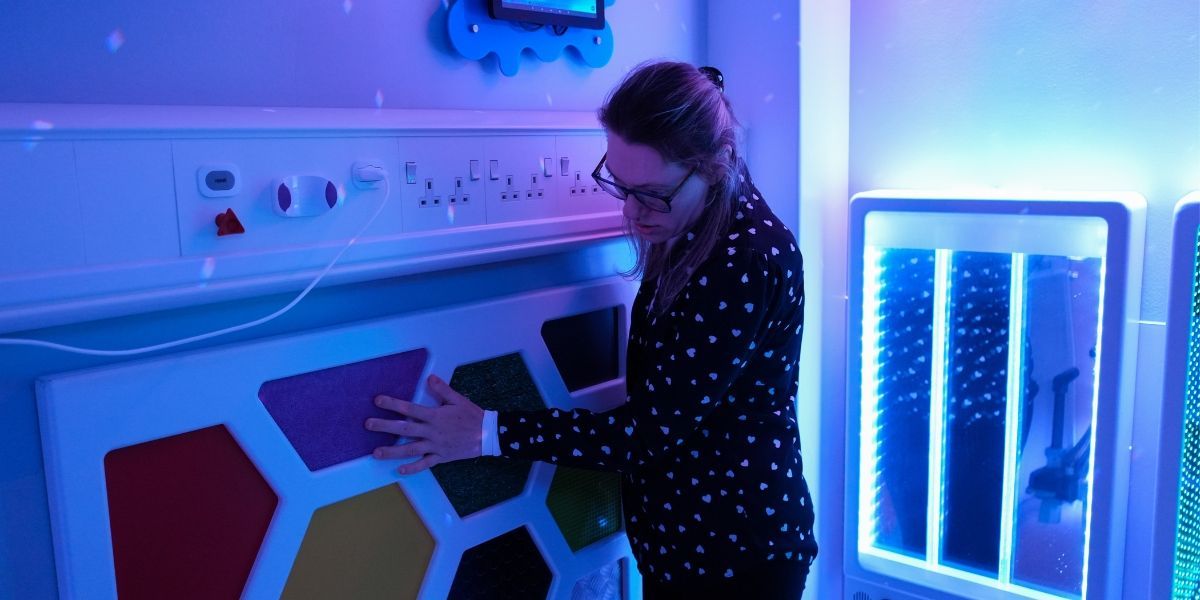
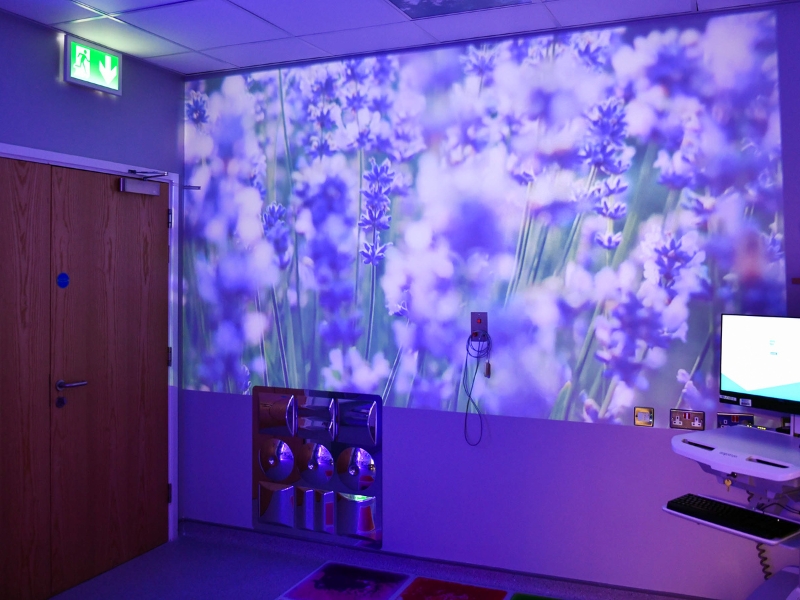
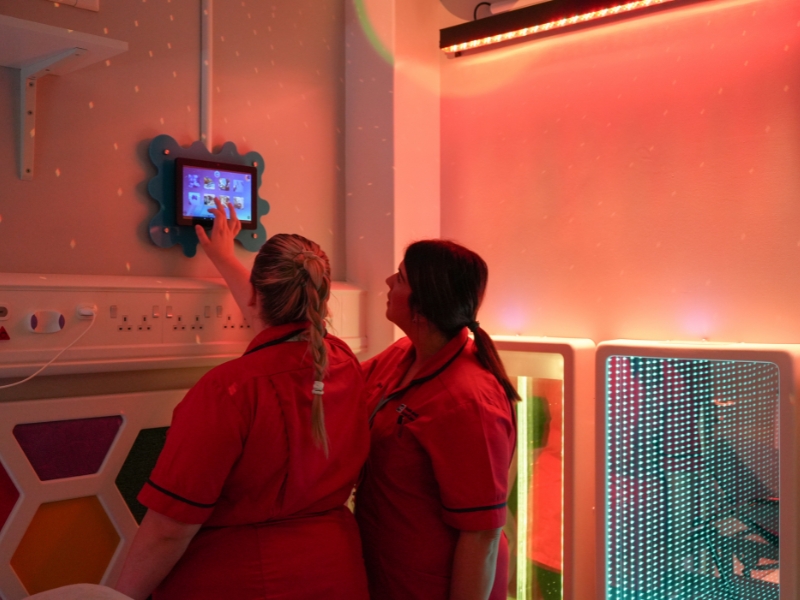
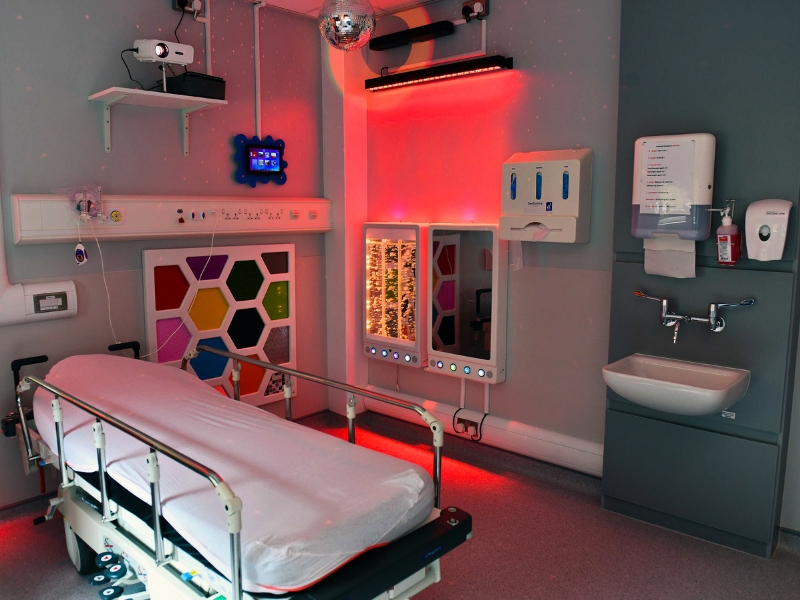
A new bespoke sensory room within Causeway Hospital’s Emergency Department is transforming the care experience for patients with additional needs.
Designed to provide a calm and supportive alternative to the busy clinical environment of ED, the space features soothing lighting, calming projections, and carefully selected visual and tactile elements. More than just a sensory room, it functions as an operational clinical space where assessment, treatment and discharge can take place in a regulated and supportive setting.
The initial idea for the project was driven by ED Consultant Fiona O’Neill, whose personal experience became the catalyst for change. Following the birth of her daughter Gracie, who has Down syndrome and required open-heart surgery at just three months old, Fiona returned to work with a renewed perspective.
Her lived experience of bringing a sick child to an Emergency Department highlighted how overwhelming the environment can be for vulnerable patients. This inspired a Quality Improvement (QI) initiative aimed at enhancing inclusivity within emergency care.
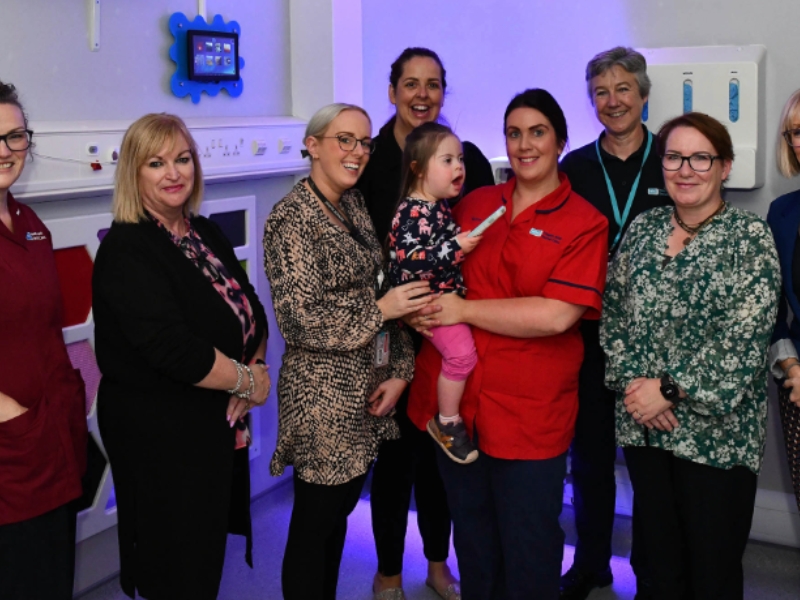
Emergency Departments are, by nature, fast-paced and high-pressure environments. Bright lighting, clinical noise, crowded waiting areas and unpredictability can significantly heighten anxiety for:
Paediatric patients
Individuals with learning disabilities
Patients with additional sensory processing needs
Vulnerable adults experiencing distress
In some cases, sensory overload can lead to emotional escalation, difficulty engaging with staff, and challenges in delivering timely treatment.
The Learning Disability Acute Liaison Team was approached by ED clinicians to collaborate on a solution. The goal was clear:
Create a space that allows patients to de-escalate
Support safe and effective clinical care delivery
Improve patient acceptance of treatment
Enhance communication between staff, patients and families
Crucially, this needed to be a functional clinical environment - not simply a quiet room.
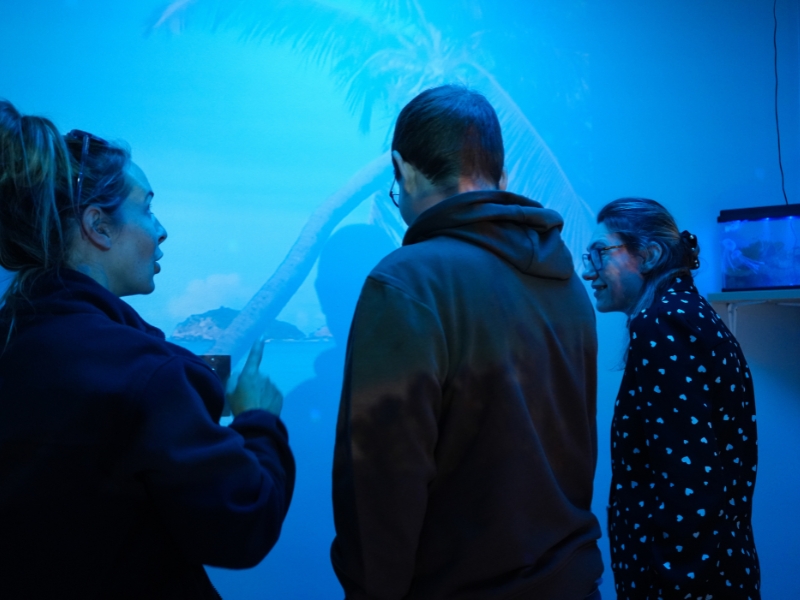
The project was developed through close collaboration between:
The Emergency Department team
The Trust’s Learning Disability Service
Colleagues across the wider Health and Social Care network
Service users and families
Creative Activity
Creative Activity worked in partnership with the hospital team from concept through to completion. The process included:
On-site consultation and needs assessment
Collaborative selection of sensory equipment suited to a clinical setting
Development of a detailed room layout and 3D visual design
Professional installation within the live hospital environment
On-site staff training to ensure confident and effective use of equipment
Careful advance planning ensured there was no disruption to Emergency Department operations during installation.
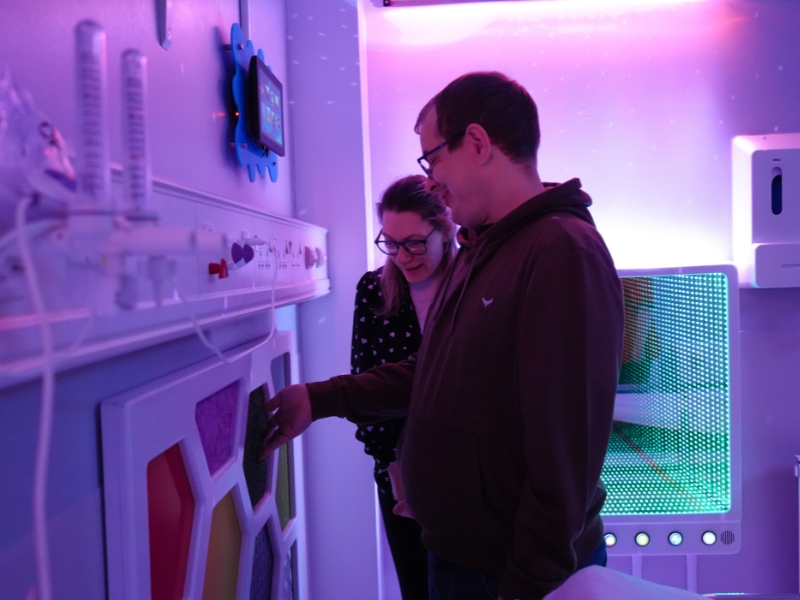
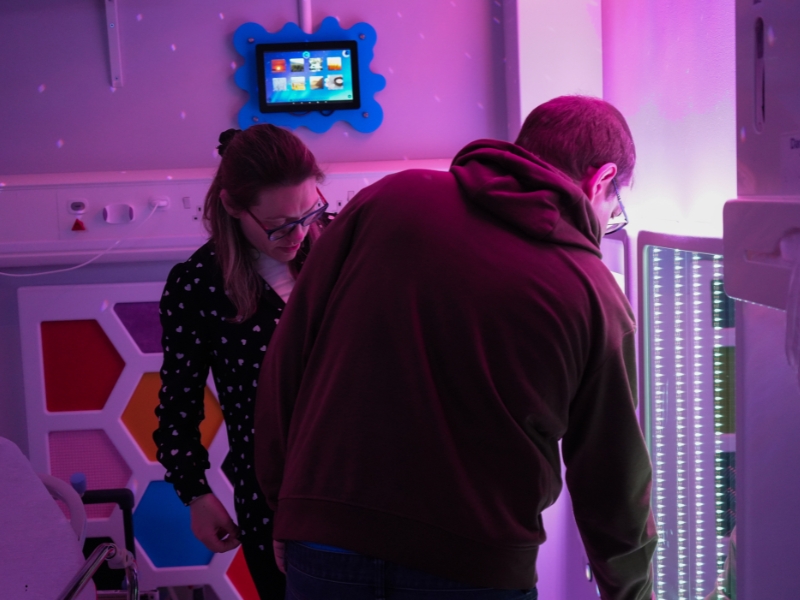
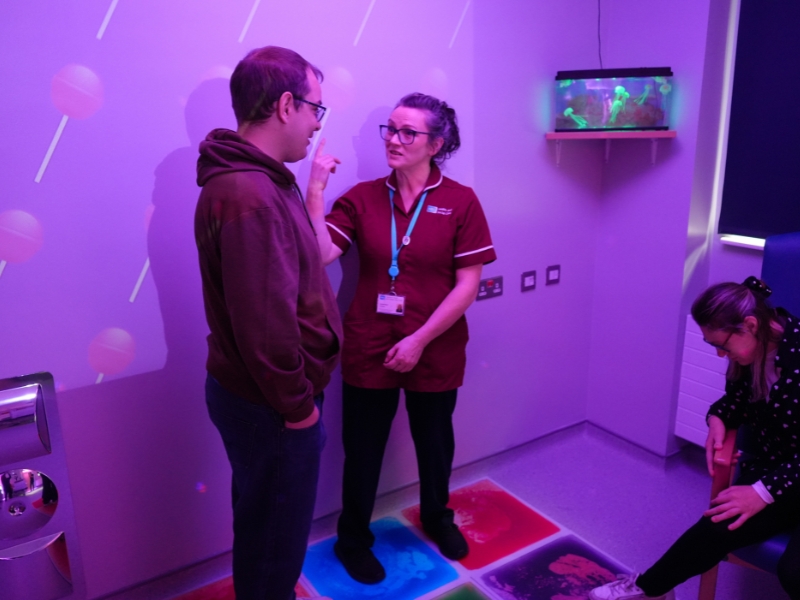
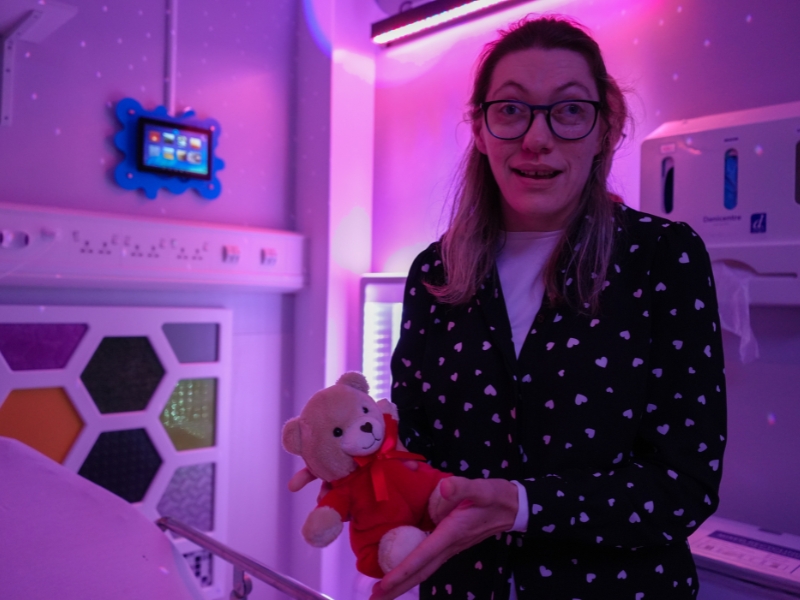
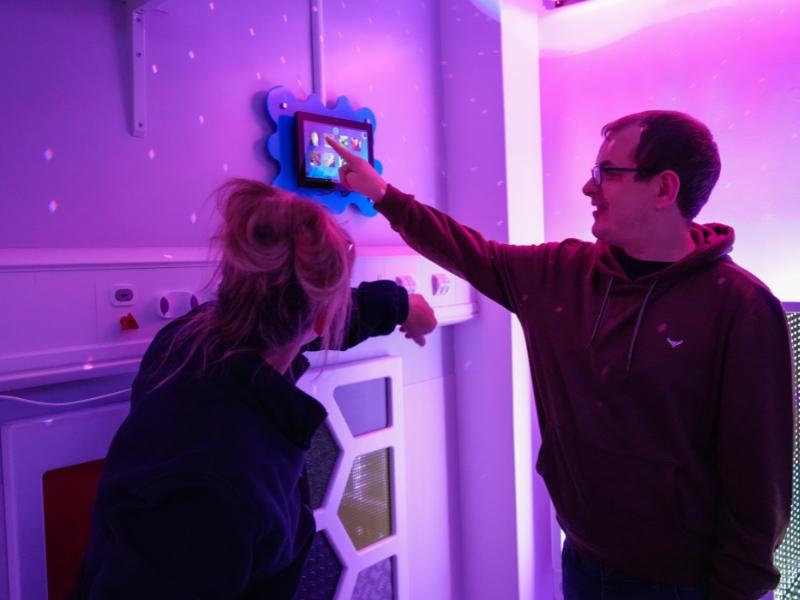
The completed sensory space incorporates:
Soothing, adjustable lighting
Calming visual projections
Tactile resources
Sensory regulation tools
A layout designed to reduce sensory overload
The room enables patients to:
Receive assessment and treatment in a calmer environment
Regulate before engaging in clinical care
Be discharged in a more supportive setting
It also provides staff with a dedicated space to step away from the intensity of the main department, build trust with patients, and communicate more effectively.
Since opening, the sensory room has already begun making a measurable difference.
Caroline Quinn, Acute Liaison Nurse for Learning Disability, shared:
“The creation of this space reflects our ongoing commitment to making acute hospital settings more inclusive, accessible, and supportive.
It is more than just the addition of physical space – it signals our commitments towards greater empathy, accessibility and respect for individual needs within our emergency care services.”
Early outcomes indicate:
Improved patient regulation and reduced distress
Greater acceptance of treatment and care
More positive experiences for families
Enhanced staff confidence in supporting vulnerable patients
Better overall flow within the department when managing complex cases
Emergency Department Sister Lisa Barclay added:
“We had a collective goal to create a space which would help us to provide enhanced patient care, created with the needs of our patients and families in mind. The completion of the sensory room is a huge achievement for everyone involved and a real success story for Causeway Hospital.”
This project demonstrates how thoughtful design, lived experience, and strong partnership working can transform emergency care environments.
By integrating sensory regulation into everyday clinical practice, Causeway Hospital has created more than just a room — it has embedded empathy, accessibility and inclusivity into the heart of its Emergency Department.
Creative Activity is proud to support healthcare providers in developing environments that respond to individual needs, enhance patient experience, and support frontline teams in delivering compassionate care.
If your school is exploring ways to support regulation, wellbeing, and inclusive learning through sensory spaces, we’re here to help. Whether it’s a corridor transformation or a complete sensory room, our team will work with you from concept to completion.
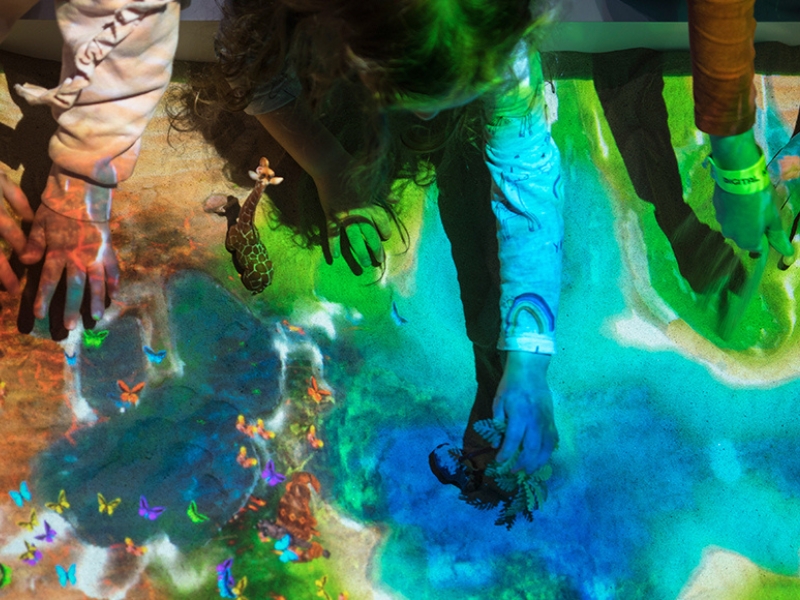
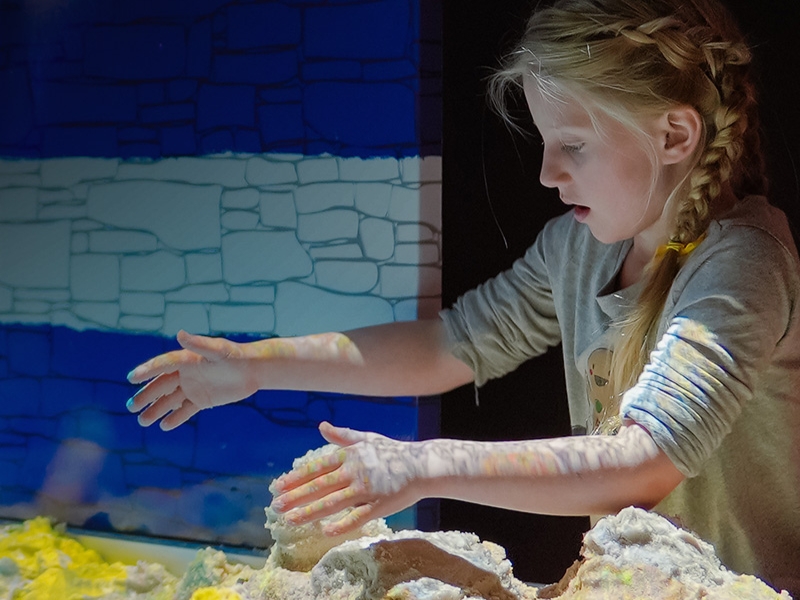
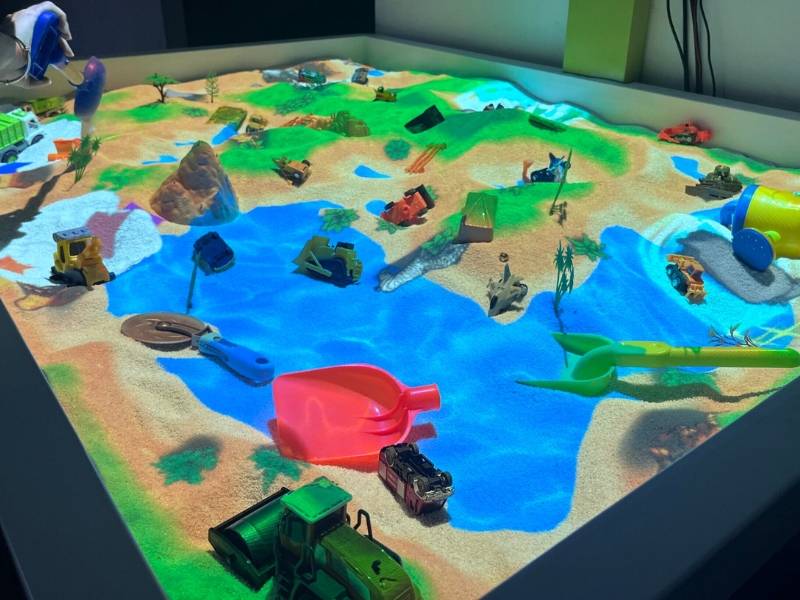
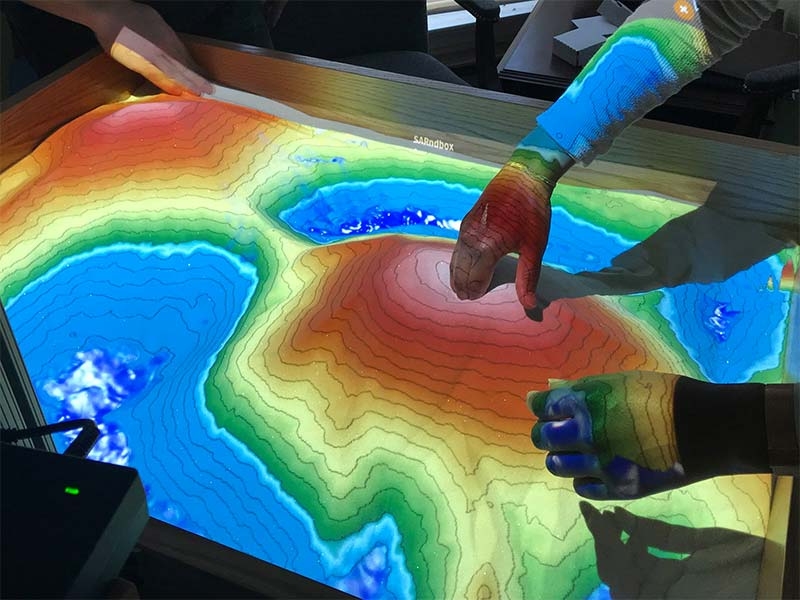
Whether you're looking to enhance education, therapy, or creative exploration, this immersive technology offers an unparalleled interactive experience.
At Creative Activity, we specialise in bringing cutting-edge interactive solutions to life. We can help you integrate the AR Sandbox into your environment, ensuring a seamless and engaging experience for all users.
We would love to help you transform your area with tailored solutions that suit your needs
Get in touch with our dedicated sensory team today - we’d be delighted to chat!

Thank you.
We will email you when this item is available.